Your Sons Grew Up to Fly Without You
Part 4 - No Conditions
We met at the kitchen table that night. Daniel had come back. He stood by the window with his arms crossed. Michael sat across from me. I had made tea and no one was drinking it. The house was too quiet. I could hear the refrigerator hum and the clock in the hall.
“I won’t take it if it splits this family,” I said.
Daniel turned. “Then don’t take it.”
“Daniel,” Michael said.
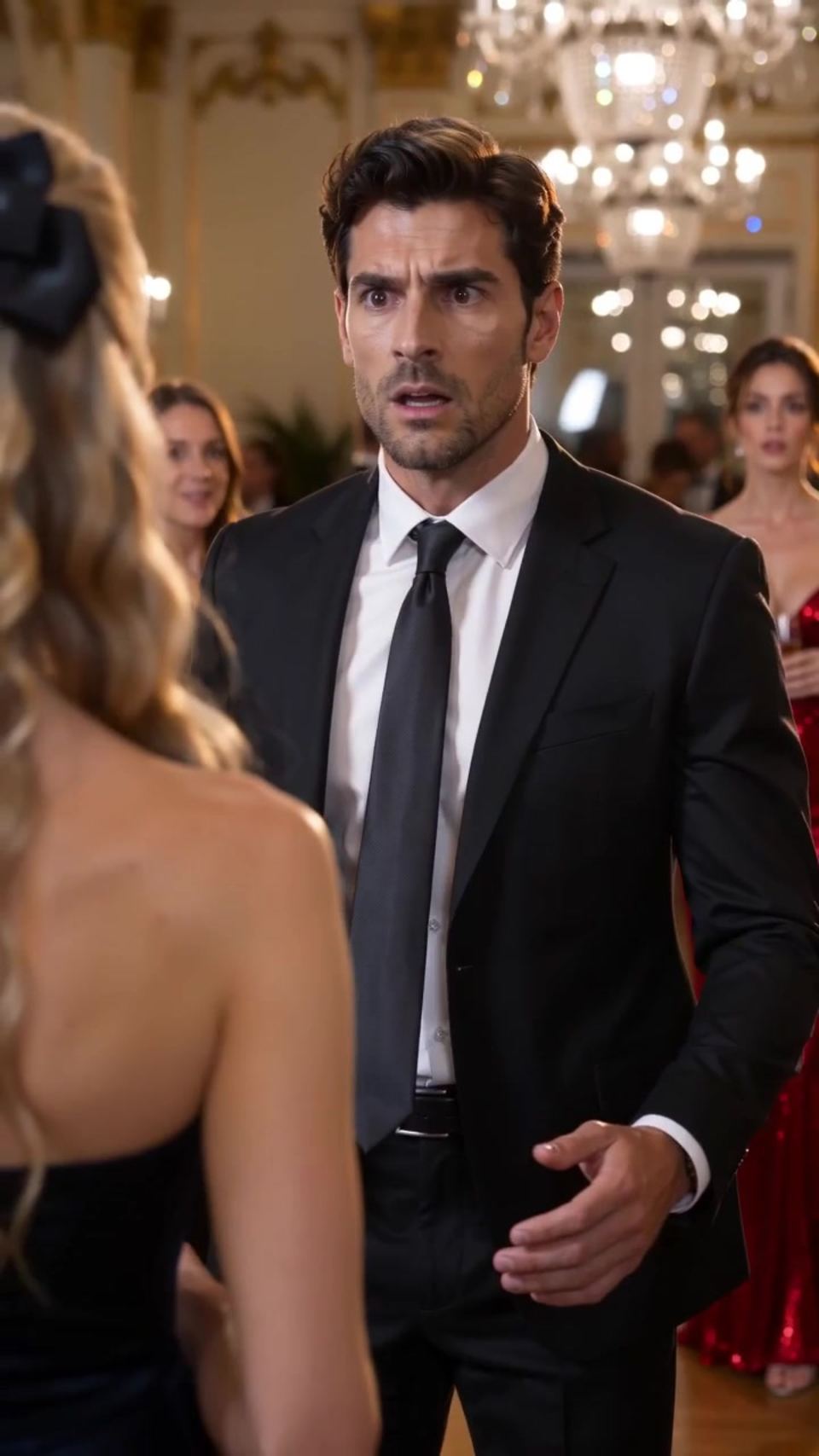
“No. He doesn’t get to be the hero.” Daniel’s voice cracked. “He left. We waited. I used to stand by the window when I was a kid, and Mom told me not to. I used to think maybe that summer, maybe that Christmas, maybe when I turned ten. He never came. And now he gets to walk into a hospital and be the one who saves her? That’s not fair.”
“No,” I said. “It isn’t.”
He looked at me, his eyes wet. “Then why are you even considering it?”
I put my hands around the warm cup. “Because I want to meet your children. Because I want to see Michael’s hair go gray and Daniel’s daughters if he has them. Because I am not done. And because I am tired of pretending that refusing help is the same as being strong. It isn’t. It’s just another way of letting him keep me small.”
Daniel wiped his face with the back of his hand. “I hate him.”
“I know.”
“I hate that you need him.”
“I know.”
Michael said, “What does he want?”
I showed them the paper Sandra had given me. Julian had signed it that afternoon. It said he donated without condition. It said he made no claim to be their father, no claim to be my partner, no claim to contact. It said he would not approach us unless we approached him first. It was legal and sad and almost pathetic. He had put his own body down as collateral and then asked for nothing.
“That’s a trick,” Daniel said. “He’s trying to make us feel sorry for him.”
“Maybe,” I said. “But the doctors don’t care about his feelings. The kidney is real.”
Daniel sat down then, all the anger leaving him at once. He looked younger, like the boy who used to crawl into my bed after nightmares. “I don’t want to lose you.”
“I don’t want to lose you either,” I said. “So here is what we do. I accept the kidney. I do not accept him. He donates anonymously. We don’t call him Dad. We don’t invite him to Thanksgiving. We don’t owe him a single holiday. If he wants a place later, he has to earn it like any other person. That is the only way I can do this.”
Michael nodded. Daniel stared at the paper. Then he said, “I won’t be there.”
“Daniel—”
“I can’t sit in that waiting room with him. I’m sorry.” He stood. “I’ll come when you’re out. I’ll come after. But I can’t watch him save you.”
I wanted to argue. I wanted to tell him that love sometimes meant staying in the room with people you did not forgive. But he was thirty years old, and I had learned that a mother’s love did not make decisions for her children. It only left the porch light on.
“Okay,” I said.
He left. Michael stayed. He took my hand. “I’ll be there.”
“I know.”
The surgery was scheduled for the last Friday in October. I signed the consent form the next morning. My hand shook once, then steadied. I signed my name and put down the pen. In the corridor, I passed Julian. He was standing by a window, looking at the parking lot. He did not speak. I did not speak. But I gave him one small nod, the kind you give a stranger who holds a door.